
Views: 0 Author: Site Editor Publish Time: 2026-10-31 Origin: Site


The global beauty market is expanding at an unprecedented rate, making it easier than ever for passionate entrepreneurs to launch their own brands. Yet, the secret behind most wildly successful independent labels is rarely a magic trick. It is simply securing the right manufacturing partner. Many startup owners struggle with high overhead costs, complex formulation science, and strict regulatory compliance. Building a private facility from scratch requires millions in capital and specialized staffing, which is often out of reach for new entrants.
Partnering with a professional cosmetic OEM factory solves these obstacles. By leveraging an established manufacturer’s infrastructure, you can bring compliant, high-quality products to market with greater speed and agility. This guide explains how to bypass common manufacturing hurdles and scale your beauty business effectively.
An Original Equipment Manufacturer acts as the invisible engine of your beauty brand. Unlike standard private labeling, where you select from existing stock formulas, an OEM partner collaborates with you to engineer custom solutions. This approach allows you to develop products tailored to your specific performance requirements, giving your brand a distinct competitive advantage.
Current industry trends highlight a massive shift toward hyper-personalized and clean beauty solutions. Consumers today are more informed, increasingly seeking products that prioritize biotechnology and sustainable sourcing. Manufacturers that integrate green chemistry and transparent supply chains are currently outperforming traditional competitors. By choosing a factory that embraces these innovations, you position your brand to meet the modern demand for efficacy and ethical integrity.
Shifting your capital toward product development rather than facility maintenance offers significant bottom-line advantages. You avoid the crushing overhead of heavy machinery and cleanroom validation. Furthermore, this model provides the agility needed to pivot your strategy based on real-time market feedback. A robust partner also ensures scalability, allowing your production runs to grow seamlessly as your brand moves from boutique batches to larger retail distribution.
Skincare remains the most lucrative segment of the personal care industry. Today's users are exceptionally educated, actively seeking clinical ingredients like multi-molecular hyaluronic acid and biomimetic peptides to address barrier repair. High-quality skincare OEM products involve much more than mixing raw materials. It requires formulating stable, sensory-pleasing textures that resonate with your specific audience.
When curating your initial lineup, prioritize items that naturally encourage repeat purchases. Developing custom solutions, such as lightweight serums or barrier-supporting moisturizers, allows you to align your brand identity with consumer needs. For example, a gel-to-oil cleanser offers a unique tactile experience that builds instant customer recognition. Ensuring these products are backed by solid stability data is essential for long-term brand credibility.
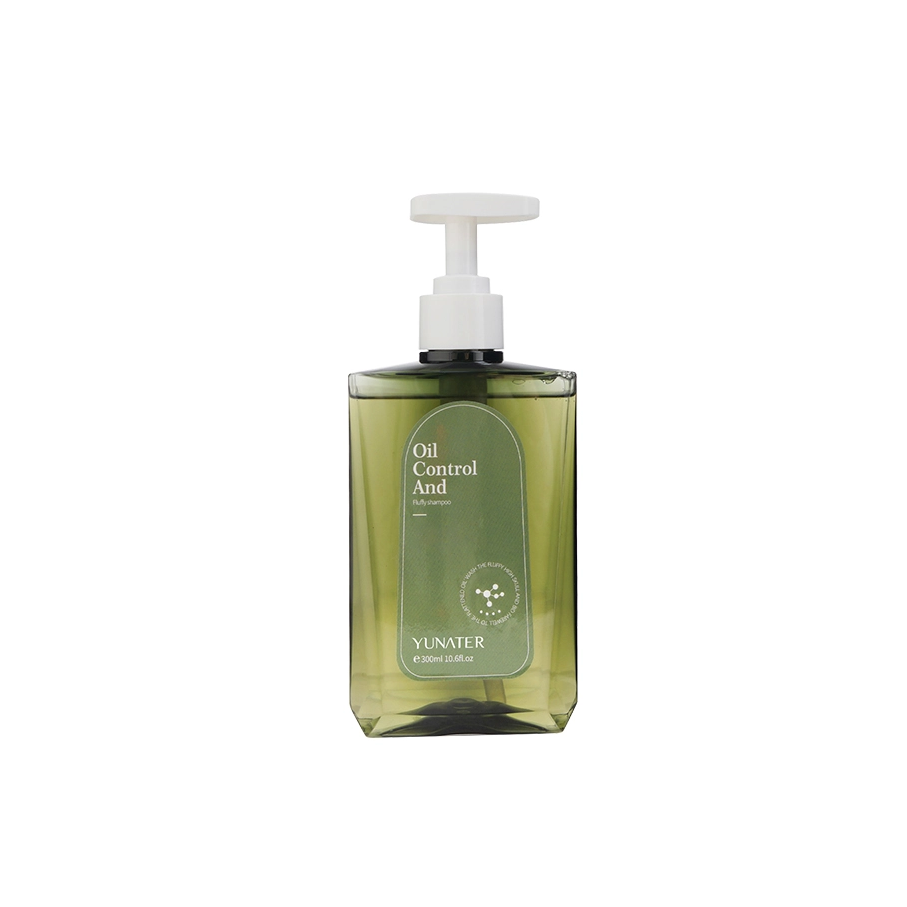
The rise of the "skinification" of hair has transformed consumer expectations. Modern shoppers now demand scalp-focused care that mirrors the sophistication of their multi-step facial routines. Implementing private label haircare allows independent brands and influencers to bridge the gap between salon-grade performance and retail accessibility.
Whether you are targeting curly textures that require intense moisture or color-treated hair needing UV protection, the right factory can engineer sulfate-free and botanical-based formulas. These specialized products strictly adhere to clean beauty standards, which significantly boosts profit margins and fosters long-term loyalty. By offering targeted scalp serums or specialized treatments, you provide a professional solution to common hair concerns.
To significantly increase your average order value, building a cohesive product ecosystem is vital. Once your facial and hair lines gain traction, expanding into body care products enables you to offer a complete self-care routine. The market has evolved far beyond basic lotions, now encompassing luxurious exfoliating scrubs and firming butters.
Targeted treatments, such as creams designed to smooth skin texture or sprays for body acne, allow you to treat the skin below the neck with the same scientific rigor as facial products. Providing this comprehensive brand experience transforms casual buyers into lifelong advocates. Aligning these products with your existing brand aesthetics ensures a consistent message across your entire catalog.
The journey from a concept to a product on a retail shelf is a highly structured endeavor. Understanding these steps ensures you maintain control over quality and launch timelines. First, the initial consultation defines your brand identity and performance benchmarks. During the research and development phase, expert chemists create prototypes that you will evaluate for texture, scent, and efficacy.
Packaging selection follows, where you choose containers that safeguard formula integrity while reflecting your brand aesthetic. The production phase then moves to a validated cleanroom for rigorous quality control and stability testing. Finally, logistics and compliance documentation are finalized to prepare your goods for global distribution.
Choosing a partner is the most critical decision for any beauty brand owner. The manufacturer you select directly impacts your quality, regulatory standing, and margins. Conduct thorough due diligence to mitigate supply chain risks. Specifically, ensure the facility holds ISO 22716 certification to guarantee that raw material handling and equipment sanitation meet international standards. This protects your brand from the risks associated with product recalls.
A top-tier factory acts as an innovation hub, not just a warehouse. Evaluate if the facility houses an in-house laboratory staffed by chemists who understand emulsion stability and ingredient interactions. Their ability to perform challenge testing ensures your products remain safe throughout their entire shelf life. Furthermore, look for a partner that provides transparent, traceable ingredient sourcing to meet the growing consumer demand for ethical accountability.
Communication often dictates the success of a manufacturing relationship. Look for partners who assign a dedicated account manager to your project. This individual should provide clear timelines and guide you through the complexities of regulatory filings. When your manufacturer operates as an extension of your team, the development cycle becomes more fluid and efficient.
Many emerging brands find the financial and logistical requirements of manufacturing to be a significant hurdle. Understanding Minimum Order Quantities is essential for budget planning. These minimums exist primarily due to the industrial-grade equipment required for production. Running a large mixing kettle for a tiny batch is inefficient and results in significant product waste.
You can balance capital and factory requirements by selecting standard, in-stock packaging paired with custom labels. This allows you to test market reception without committing to massive inventory volumes immediately. As your brand scales, you can then move toward higher-volume orders to lower your per-unit costs and increase profitability. Remember that rushing the process invites quality failures, so set realistic expectations. Most custom projects require a 6 to 9-month window from initial concept to final delivery, accounting for thorough stability and safety testing.
Finding the right cosmetic OEM factory builds a firm foundation for a successful beauty business. A reliable partner ensures your formulations are safe and effective, empowering you to scale without the burdens of manufacturing infrastructure. Whether you are developing a unique skincare line or a complete body care collection, the right collaboration makes all the difference in achieving market success.
Expert research and development teams are ready to bring your vision to life. Do not let logistical hurdles stifle your creativity. Contact a manufacturing expert today to request a quote, start formulating your first sample, and prepare to establish your place in the beauty industry.
OEM involves creating a unique, custom formula from scratch based on your specific requirements. In contrast, ODM typically involves choosing from pre-existing, fully tested formulas developed by the factory. ODM is often faster and lower in cost, while OEM provides the ultimate level of brand differentiation and product uniqueness.
For a fully custom formula, initial research and sample development take approximately 3 to 6 weeks. Following sample approval, mandatory stability and challenge testing require 8 to 12 weeks. Including packaging procurement and mass production, you should expect a total timeline of 5 to 9 months for a ground-up product launch.
Yes, most manufacturers allow you to source your own packaging. However, the factory will require samples beforehand to conduct compatibility testing. This ensures the formula does not degrade the container materials and that all pump mechanisms function correctly with your specific product viscosity.
Reputable manufacturing facilities prioritize ethical production. They can formulate products that are 100% vegan and cruelty-free. During your consultation, specify these requirements so the chemists can vet all raw material suppliers to ensure no animal by-products or testing are involved in your supply chain.
To ensure safety, custom formulas undergo rigorous protocols including accelerated aging to simulate a two-year shelf life, freeze-thaw cycle testing to ensure emulsion stability, and microbiological challenge testing to prove the preservative system effectively neutralizes bacteria and mold.
Professional manufacturers are accustomed to handling sensitive brand information. A standard non-disclosure agreement is signed before discussing your concepts to protect your marketing ideas. Ownership of the final chemical formulation is typically defined within your manufacturing agreement to ensure your rights are protected.
Navigating global regulations is complex, but a qualified factory provides necessary technical documents, including INCI lists, Certificates of Analysis, and Safety Data Sheets. These documents are essential for the legal registration and successful retail sale of your products in international markets.


